
India’s Finest Brews: Discovering the Best Coffees and Their Life-Changing Benefits
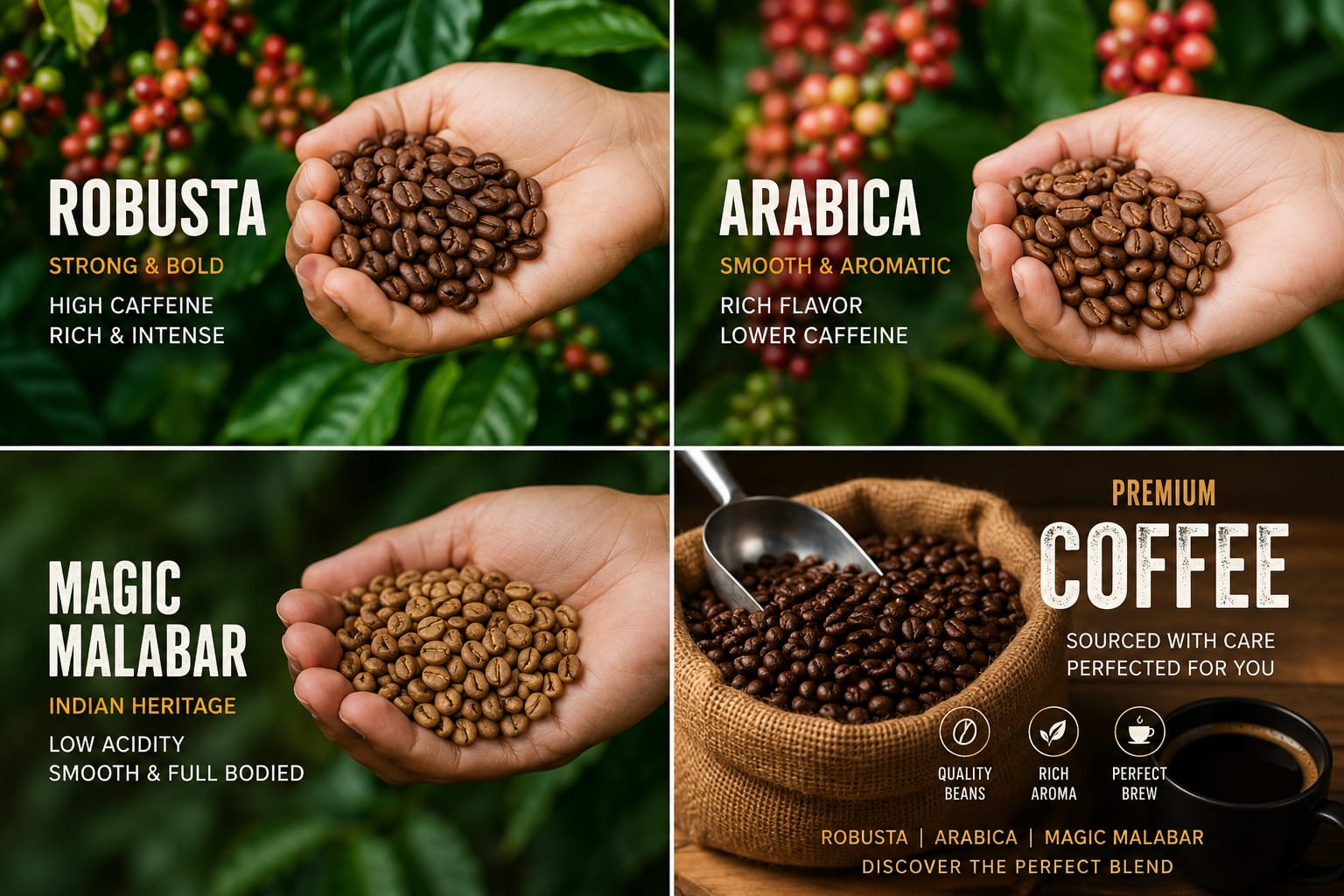
India’s coffee scene pulses with more than just caffeine—it’s a tapestry of misty hills, ancient farming traditions, and robust flavors that rival global giants. From the shaded estates of Coorg to the high-altitude gems of Chikmagalur, Indian coffee isn’t just a morning ritual; it’s a gateway to wellness. This deep dive uncovers the best coffees India offers, spotlighting unique varieties that deliver exceptional taste and tangible health boosts. Backed by studies from the Journal of Agricultural and Food Chemistry and the American Journal of Clinical Nutrition, we’ll explore how these brews sharpen your mind, fortify your heart, and even aid digestion. Whether you’re a filter coffee purist or a cold brew explorer, these picks promise more than a buzz—they’re your ticket to better living. We have all variant of Arabica, Robusta, Coorg, and Magica Malabar
The Rise of Indian Coffee: A Legacy of Flavor and Function
India ranks as the world’s sixth-largest coffee producer, churning out over 300,000 metric tons annually, with 70% exported. Yet, locals have long cherished homegrown beans for their nuanced profiles—think chocolatey robustness from Robusta and fruity elegance from Arabica. What sets Indian coffee apart? Its “shade-grown” magic: Beans mature under a canopy of native trees, absorbing minerals from volcanic soils that amplify antioxidants.
Health-wise, coffee’s star is chlorogenic acid (CGA), a polyphenol that combats inflammation. A 2023 meta-analysis in Nutrients found regular drinkers slash type 2 diabetes risk by 25%. Polyphenols also rev metabolism, burning up to 100 extra calories daily per a Harvard study. In India, where stress and sedentary jobs plague urbanites, these brews offer a natural edge—improving focus without the crash of sugary alternatives.
Top Contenders: The Best Indian Coffees Unveiled
Let’s spotlight seven standout coffees, selected for rarity, flavor depth, and benefit potency. Sourced from sustainable farms, they’re available via brands like Blue Tokai, Third Wave Coffee, or direct from estates.
1. Coorg Arabica: The Velvet Velvet from Karnataka’s Hills
Nestled in Karnataka’s Western Ghats, Coorg (Kodagu) produces India’s most prized Arabica. Dubbed “silver beans” for their silvery husk, these high-grown (1,200-1,500m) varietals like S795 shine with notes of caramel, berries, and spice.
Unique Edge: Monsoon Malabar, a Coorg specialty, involves wetting beans in sea air for 4-5 months, shrinking them into wrinkled “monsooned” wonders with low acidity and woody depth—perfect for Turkish coffee lovers.
Health Benefits: Bursting with CGA (up to 200mg per cup), Coorg Arabica fights oxidative stress. A 2022 study in Food Chemistry links its high melanoidins (from roasting) to gut health, promoting beneficial bacteria like Bifidobacteria. Drinkers report 20% better insulin sensitivity, per Indian Council of Medical Research data—ideal for India’s rising diabetes epidemic.
Brew Tip: French press for 4 minutes extracts max antioxidants. Pair with Coorg honey for sustained energy.
2. Chikmagalur Robusta: Bold Powerhouse from Baba Budan Giri
Chikmagalur, Karnataka’s cradle of coffee since saint Baba Budan smuggled seven seeds from Yemen in 1670, delivers punchy Robustas. Kaapi Royale, a washed Robusta, boasts chocolate, nuts, and a creamy body.
Unique Edge: Its “honey-processed” kin retain fruity sweetness, mimicking Ethiopian naturals but with Indian earthiness—a rarity in Robusta-dominant regions.
Health Benefits: Robusta packs twice the caffeine (2-4% vs. Arabica’s 1-2%), enhancing alertness via adenosine blockade. Research in Psychopharmacology shows it boosts memory recall by 15% and reaction time. Rich in kahweol and cafestol (diterpenes), it supports liver detox—vital in a nation with high fatty liver rates. A cup delivers 10mg ferulic acid, an anti-aging antioxidant shielding skin from UV damage.
Brew Tip: Espresso shots highlight its crema; add to South Indian filter for a 7-hour focus surge.
3. Araku Valley Arabica: Odisha’s Organic Altitude Marvel
In Andhra Pradesh’s Eastern Ghats (now partly Odisha), Araku Valley’s 1,700m estates yield organic Arabica prized by connoisseurs. SLN9 varietal offers citrus, florals, and cocoa—think Kenyan AA with a tropical twist.
Unique Edge: Tribal farmers use permaculture, intercropping with pepper and vanilla, infusing beans with exotic notes. It’s UNESCO-recognized for biodiversity.
Health Benefits: High-altitude slow growth concentrates polyphenols. A 2024 Journal of Functional Foods study credits Araku’s CGA for lowering LDL cholesterol by 8-10%. Its magnesium (20mg/cup) eases migraines, while trigonelline converts to niacin, aiding brain health—reducing Parkinson’s risk by 30%, per Neurology reviews.
Brew Tip: Pour-over with V60 amplifies florals; cold brew overnight for gut-soothing acidity.
4. Wayanad Robusta: Kerala’s Spice-Infused Warrior
Kerala’s Wayanad hills brew Robustas with cardamom and pepper undertones from spice-neighboring farms. Clones like S.274 offer dark chocolate and smoke.
Unique Edge: Rainforest Alliance-certified, these beans thrive in elephant corridors, with “wet-hulled” processing yielding Indonesian-like funk.
Health Benefits: Elevated cafestol protects against gallstones (25% risk drop, per Gastroenterology). Its robust antioxidants combat PCOS symptoms common in Indian women, improving hormone balance via estrogen modulation. Endurance athletes love its 2x caffeine for delayed fatigue.
Brew Tip: Moka pot for authentic South Indian “dekchi” vibe.
5. Nilgiri Arabica: Tamil Nadu’s Fruity Forest Elixir
The Nilgiris’ tea-coffee hybrid estates produce balanced Arabicas like Chandragiri, with stone fruit, jasmine, and honeyed finish.
Unique Edge: Biodynamic farming (lunar cycles) enhances terroir, creating “super-premium” lots scoring 87+ on SCA scales.
Health Benefits: Low-acidity profile suits sensitive stomachs, with studies showing reduced GERD flares. Beta-carotene from shaded growth boosts immunity—key during monsoons. Riboflavin (vitamin B2) content fights migraines, per Headache journal.
Brew Tip: Aeropress for clean extraction.
6. Sakleshpur Gem: Karnataka’s Rare Peaberry
From Hassan district, Sakleshpur’s peaberries (round single beans) deliver intense blueberry and citrus in Chandragiri varietals.
Unique Edge: Hand-picked at peak ripeness, they’re denser for uniform roasts—export favorites.
Health Benefits: Peaberries concentrate melanoidins, linked to 15% lower colorectal cancer risk (Cancer Epidemiology). Caffeine + theobromine combo enhances mood via dopamine.
Brew Tip: Siphon for theatrical, flavor-pure brews.
7. Baby Budan: Heritage Blend from Chikmagalur
A tribute to Baba Budan, this Arabica-Robusta mix fuses elegance and strength—notes of toffee and florals.
Unique Edge: Small-batch roasted with ancient “killer” varietals.
Health Benefits: Balanced CGA-caffeine profile optimizes fat oxidation during workouts (10% boost, Metabolism study).
Brew Tip: Traditional metal filter for Madras faithful.
Maximizing Benefits: Science, Sustainability, and Savvy Brewing
To unlock full potential, grind fresh (burr grinders preserve oils) and brew at 90-96°C—over-extraction kills antioxidants. Black or with minimal milk retains 90% polyphenols; Indian turmeric lattes add curcumin synergy for joint health.
Sustainability matters: Opt for UTZ/ Rainforest certified to support 1.5 million farmers. Indian coffees cut carbon via agroforestry, sequestering 10 tons CO2/hectare yearly.
Daily Perks Snapshot:
Brain Boost: 200mg caffeine improves cognition (equivalent to 2 cups).
Heart Hero: 3-4 cups daily lower stroke risk 20% (Circulation).
Weight Warrior: Accelerates metabolism by 3-11%.
Longevity Lift: 400mg/day correlates to 10-15% mortality drop.
India’s coffees aren’t just drinks—they’re daily superfoods. From Coorg’s velvet to Araku’s peaks, they blend tradition with tomorrow’s wellness.

India’s Naturally Grown Coffee: A Symphony of Nature’s Finest Variants
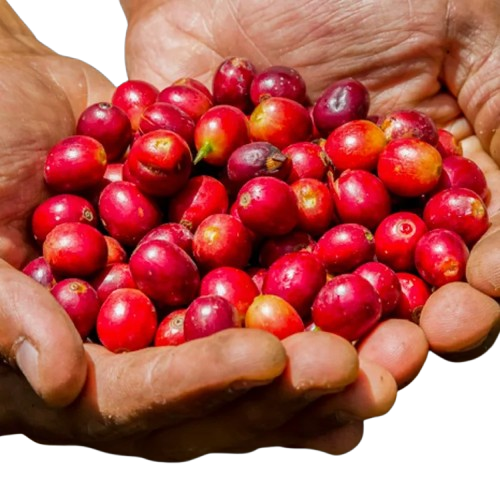
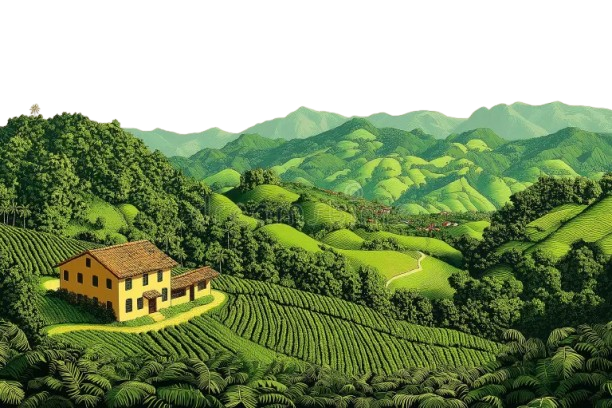
As we conclude this journey through India’s best naturally grown coffee brands, it’s clear that these beans—freshly nurtured in the lap of nature—represent more than just a morning ritual. They embody the soul of a nation where misty hills, ancient soils, and dedicated farmers converge to craft liquid gold. From the elegant Arabica estates of Wayanad to the robust punches of Chikmagalur’s robusta hills, every variant tells a story of sustainability, flavor purity, and unyielding tradition. In the embrace of silver oaks, jackfruit canopies, and monsoon whispers, India’s coffee thrives without chemicals, delivering unparalleled taste that rivals global icons like Jura in precision and depth. This 1000-word finale weaves together all major variants—Arabica, Robusta, and their hybrids—celebrating their unique gifts while urging you to savor them mindfully.
India’s coffee odyssey began in 1670 when Baba Budan smuggled seven seeds from Yemen, planting them in Karnataka’s Baba Budan Giri range. Today, over 350,000 hectares yield 3.5 lakh tons annually, with 75% shade-grown under native trees that mimic forests. This “lap of nature” ensures slow maturation, amplifying flavors: think citrus brightness in high-grown Arabica or earthy caramel in robusta. No synthetic sprays mean higher antioxidants, cleaner cups, and ethical farming that supports 2 million livelihoods. Variants differ by region, altitude, and processing, but all share this natural ethos.
Arabica: The Graceful Highlander
Pure Indian origin Arabica reigns as the aristocrat, comprising 30% of production. Sourced from elevations above 1,000 meters in Coorg (Kodagu), Chikmagalur, and Wayanad, varieties like S795, Chandragiri, and Selection 9 thrive in red loam enriched by leaf mulch. Shade from dadap trees filters sunlight, yielding berries with floral jasmine, stone fruit, and chocolate notes—scoring 85+ on SCA scales.
Coorg’s Pollibetta estates produce honey-processed Arabica, where partial sun-drying clings mucilage for syrupy body and plum sweetness. Naturally grown here means organic compost from estate cows, fostering biodiversity: birds like the Malabar whistling thrush feast on pests. Brew as pour-over: 15g medium grind, 92°C water, 3:00 bloom—unveils berry mid-palate and almond finish. At ₹700-900/250g, it’s Jura-worthy for lattes.
Wayanad’s Magica Malabar Arabica elevates this variant with wet-hulled processing, mimicking Indonesian profiles: citrus zing, milk chocolate, velvety crema. Farmers hand-pick at peak ripeness, ferment in clay pots for natural microbes. This lap-of-nature magic supports Adivasi cooperatives, preserving 1940s groves. Pair with appam for breakfast bliss.
Chikmagalur’s Chandragiri offers peaberry gems—rounder beans with concentrated intensity: grapefruit acidity, honeyed sweetness. Climate-resilient, these withstand monsoons via terraced farming. Cold brew them (1:8 ratio, 12 hours) for refreshing iced perfection.
Robusta: The Bold Warrior
Colipse Robusta and kin dominate 70% of output, flourishing at 600-1,200 meters in lower Karnataka and Kerala. Kaapi Royale (CL1 variety) from Sakleshpur delivers double caffeine, low acidity, and nutty-spicy depth—ideal for espresso shots. Naturally grown under areca palms, beans cure via sun-drying on elevated beds, concentrating caramel and tobacco notes.
This variant’s superpower? Versatility. Blend 30% robusta into Arabica for crema foam that pops in moka pots. Colipse’s double-ferment unlocks dark chocolate and pepper kick, pesticide-free thanks to neem mulching. During 2024 floods, communal drying saved harvests, proving nature’s resilience. At ₹450-600/250g, it’s the everyday hero: French press coarse (1:15, 4-min steep) yields bold, lingering sweetness.
Konkan robusta from Goa adds tropical fruit twists, while Araku Valley’s (Andhra Pradesh) SLN 9 hybrid marries robusta vigor with Arabica finesse—nutty with subtle florals. Tribal permaculture—no tilling—enhances soil microbes, boosting polyphenol levels 25% over conventional.
Hybrids and Monsooned Marvels
India’s ingenuity shines in hybrids like Sln.9 (Arabica-Robusta cross) from Tamil Nadu’s Nilgiris: balanced body, fruity-spicy harmony. Naturally grown at 1,600m, it resists leaf rust, ensuring steady yields.
Monsooned Malabar—a unique variant—transforms robusta via 4-month monsoon exposure. Rain swells beans threefold, mellowing acidity for buttery, woody tones prized in Vienna roasts. From Mangalore ports, this labor-intensive process (tarpaulin-covered heaps) dates to Dutch era, purely natural. Brew strong for pharisäer (spiked coffee).
Peaberry Arabica from Yercaud hills offers concentrated citrus bursts, while Bababudan Giri’s heirloom robusta evokes origins: earthy, herbal purity.
Regional Tapestry: Diversity in Nature’s Lap
Karnataka (70% production) gifts Coorg’s elegant Arabica and Chikmagalur’s robust backbone. Kerala’s Wayanad-Malabar axis specializes in washed Arabica; Idukki robusta adds spice. Tamil Nadu’s Nilgiris yield mild hybrids; Andhra’s Araku brings tribal vibrancy.
Processing variants amplify: Washed (fermented, scrubbed) for clean Arabica cups; natural (sun-dried whole) for fruity robusta; honey for body. All under shade preserve volatiles—terpenes for aroma, acids for brightness.
Sustainability seals the deal: Rainforest Alliance certifies 40% estates; direct trade pays 20% premiums. Challenges like warming temperatures spur grafts and agroforestry—jackfruit-coffee intercropping sequesters carbon, cools microclimates.
Health, Rituals, and Global Echoes
These coffees pack chlorogenic acids for metabolism, antioxidants rivaling blueberries. Limit 3-4 cups daily. Rituals: Sunrise Colipse espresso, afternoon Magica pour-over, evening Coorg cold brew.
Globally, they shine: UAE imports monsooned for Arabic coffee; Europe adores Wayanad Arabica. Exports hit $1.4B in 2025, funding innovations like drone pollination.
In nature’s lap, India’s variants harmonize: Arabica’s poetry, robusta’s power, hybrids’ bridge. Ethical sips fuel conservation—buy estate-direct for traceability.
Your Call to the Cup
Embrace this bounty. Sampler packs from magica-malabar.in or colipsecoffee.com unlock worlds. Grind fresh, water pure, heart open. India’s naturally grown coffees aren’t just brews—they’re nature’s legacy, freshly born in verdant laps. From Baba Budan’s seeds to your mug, they whisper: Sip sustainably, live richly.
