Discover the Best Indian Grown Coffee: A Journey Through India’s Aromatic Brews
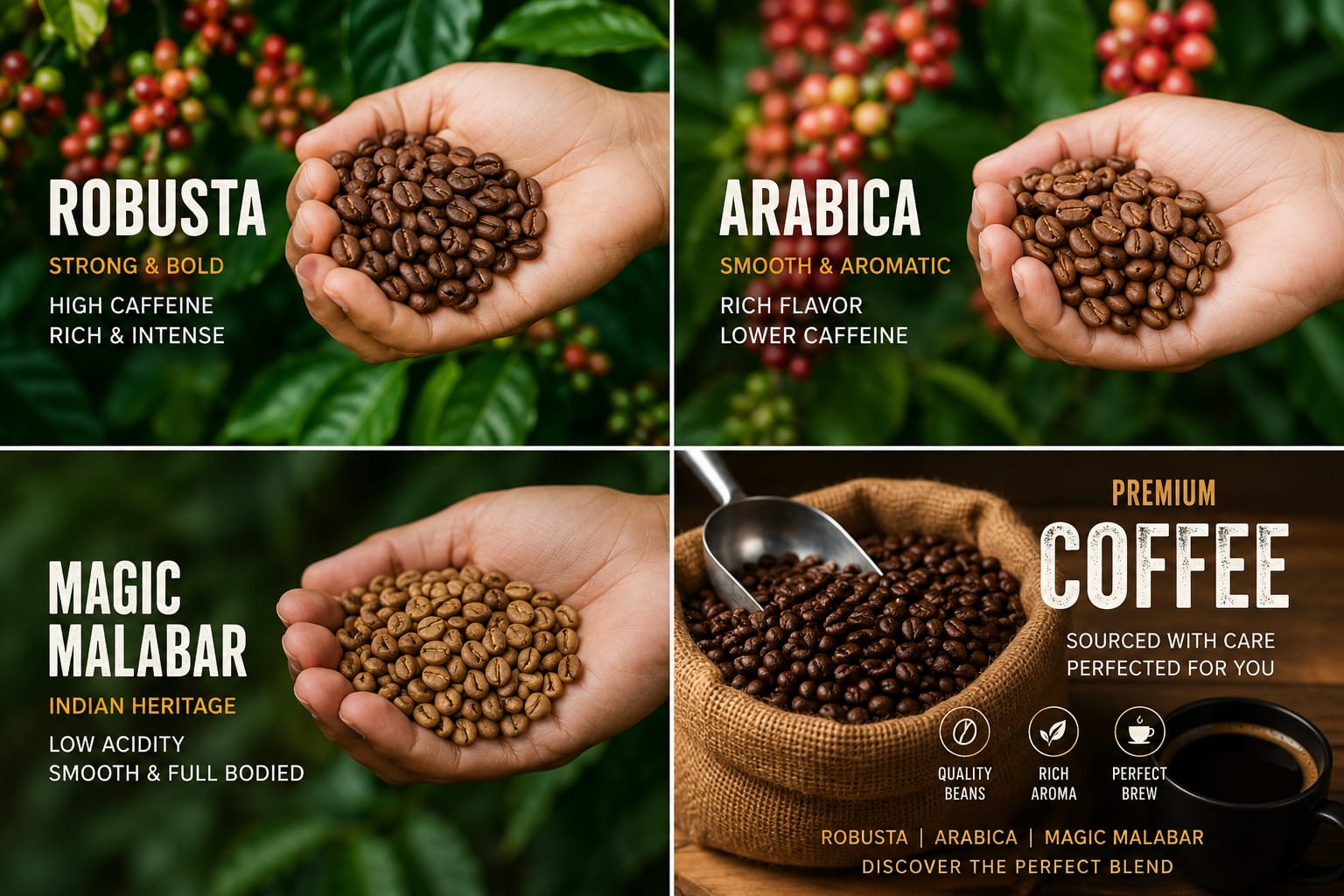
India’s coffee scene is a hidden gem, producing some of the world’s finest beans right from its misty hills. When you search for the best Indian grown coffee, you’re tapping into a legacy that blends tradition, terroir, and innovation. From the shade-grown Arabica estates of Coorg to the robust Robustas of Kerala, Indian coffee stands out for its bold flavors, ethical farming, and unmatched freshness.
The Rich History of Indian Grown Coffee
Coffee arrived in India in the 17th century, smuggled as a single plant by Baba Budan, a Sufi saint from Yemen. He planted it in the Chikmagalur hills of Karnataka, sparking what would become India’s thriving coffee industry. Today, India ranks as the seventh-largest coffee producer globally, exporting over 300,000 metric tons annually, with domestic consumption surging 10% yearly.
This history sets the stage for why best Indian grown coffee captivates connoisseurs. Unlike mass-produced blends, Indian beans thrive in biodiversity hotspots, hand-picked and processed with care. The industry’s evolution—from British colonial plantations to modern sustainable farms—ensures quality that rivals Colombian or Ethiopian rivals.
Key milestones:
1670: Baba Budan’s legendary planting.
19th Century: British expansion into Coorg and Wayanad.
1990s: Shift to specialty coffee with wet-processing techniques.
Today: Certifications like Rainforest Alliance elevate premium Indian grown coffee.
India grows 70% Arabica and 30% Robusta, mostly in a 3,50,000-hectare belt across Karnataka (70%), Kerala (25%), and Tamil Nadu (5%). This “Arabica Triangle” delivers the best Indian grown coffee due to its ideal microclimates.
Why Choose the Best Indian Grown Coffee?
In a world flooded with generic supermarket blends, best Indian grown coffee offers purity and depth. Shade-grown under native trees, these beans develop complex flavors—notes of chocolate, nuts, and spice—without chemical interference. Monsoon Malabar, anyone?
Superior Flavor Profiles
Indian coffee’s uniqueness stems from its terroir:
High Altitude: 1,000–2,000 meters above sea level slows bean maturation, concentrating sugars for brighter acidity.
Shade Cultivation: Protects from harsh sun, mimicking wild growth for nuanced tastes.
Processing Methods: Wet-washed Arabica yields clean cups; natural-dried Robustas pack bold body.
Taste comparison:
| Variety | Flavor Notes | Body | Acidity | Best For |
|---|---|---|---|---|
| Coorg Arabica | Citrus, caramel, floral | Medium | High | Pour-over |
| Wayanad Robusta | Dark chocolate, earthy | Full | Low | Espresso |
| Chikmagalur KAAPI Royale | Spice, nuts, berry | Medium-Full | Medium | French press |
Health perks add appeal: Antioxidants in best Indian grown coffee combat inflammation, while lower caffeine in shade-grown varieties suits daily drinkers.
Sustainability and Ethical Edge
Over 90% of Indian coffee farms are smallholder (under 10 hectares), supporting 1.5 million livelihoods. Initiatives like the Coffee Board of India’s traceability programs ensure fair trade. Look for UTZ or Organic certifications in the best Indian grown coffee—they guarantee pesticide-free beans and biodiversity preservation.
Fun fact: India’s “monsoon processing” for Malabar beans involves exposing them to Kerala rains, creating low-acidity, low-defect gems prized by Europeans since the 1920s.
Top Regions Producing the Best Indian Grown Coffee
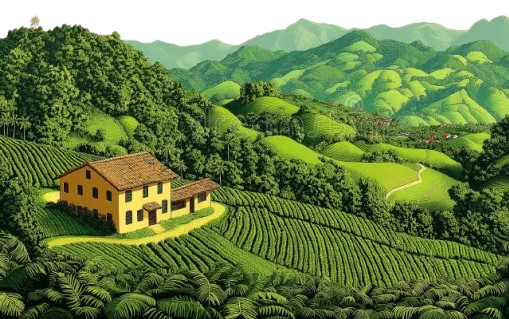
India’s coffee heartland spans the Western Ghats, a UNESCO site. Each region imparts distinct traits to best Indian grown coffee beans.
Karnataka: The Epicenter of Excellence
Karnataka dominates with 70% of production. Coorg (Kodagu) estates like Tata Plantation yield best Indian grown Arabica coffee with jasmine florals and stone fruit. Chikmagalur’s rocky soils produce KAAPI Royale, a single-estate stunner scoring 85+ on SCA scales.
Star Farms: Mercara Gold, Surya Mountain.
Yield: 1,00,000 tons/year.
Pro Tip: Visit Pollibetta for tours tasting fresh premium Indian coffee.
Kerala: Robust and Resilient
Kerala’s Wayanad and Idukki shine with Robusta—ideal for Italian roasts. Monsoon Malabar from Malabar Coast is legendary for its rust-resistant beans and peaberry structure, delivering even extraction.
Unique Trait: High rainfall (3,000mm/year) enhances density.
Top Picks: Kuyilimalai Peaberry, Robusta from Araku Valley (shared with AP).
Tamil Nadu: Nilgiri’s Misty Magic
Nilgiris (Blue Mountains) produce mild, balanced best Indian grown coffee at 1,500m. Pulneys and Yercaud estates offer winey, fruity Arabica rivaling Kona.
Varieties: Selection 9, Chandragiri.
Export Hit: 80% of Nilgiri goes abroad.
Emerging Hotspots: Northeast India
Araku Valley (Andhra Pradesh) and Nagaland’s high-altitude farms are rising stars. Tribal farmers in Araku grow organic Arabica with pineapple notes, certified by the government.
Best Indian Grown Coffee Varieties You Must Try
Diversity defines best Indian grown coffee. Here’s a deep dive into must-tries.
Arabica Varieties
S795: India’s workhorse, blending Kenya and Bourbon for balanced cups. Citrus-forward, perfect for light roasts.
Chandragiri: Nilgiri native with blackcurrant and tea-like finish.
Selection 9: Pulney-grown, floral with honey sweetness.
Robusta Varieties
Kaapi Royale (Devamoney): Chikmagalur’s bold, spicy icon—used in 60% of Indian espresso blends.
Monsoon Malabar: Aged in monsoon humidity for smooth, woody depth. AAA grade is export gold.
Conilon: High-yield Kerala type for creamy lattes.
Specialty Standouts
Gemini Peaberry: Round, dense beans from Coorg with intense chocolate.
Organic Wayanad: Shade-grown, bird-friendly, scoring 87+ points.
Pairing guide:
Breakfast: Coorg Arabica (bright acidity cuts eggs).
Espresso: Malabar Robusta (thick crema).
Dessert: Nilgiri (fruity echoes chocolate).
Roasters like Blue Tokai and Third Wave Coffee showcase these in single-origin bags, often scoring 80–90 on Cup of Excellence.
How Indian Coffee is Grown: From Seed to Cup
Understanding production reveals why best Indian grown coffee excels.
Cultivation Process
Planting: Seeds germinate in nurseries; saplings transplanted at 3–4 years.
Shade Management: Silver oak, greasewood trees filter 50% sunlight.
Harvesting: Hand-picked November–March at peak ripeness (cherry stage).
India’s bimodal rains support two crops, unlike single-harvest regions.
Processing Techniques
Wet (Washed): Depulped, fermented 12–36 hours, washed—clean flavors.
Dry (Natural): Sun-dried 10–15 days—fruity intensity.
Monsooning: Unique to Malabar; beans swell 20%, lose acidity.
Roasting and Grading
Specialty roasters profile beans for city/medium roasts. Grading: AA (largest), AB, C—prioritize AA for best Indian grown coffee beans.
Quality specs:
| Grade | Screen Size | Defects | Price Premium |
|---|---|---|---|
| AA | 17+ | <5% | 30% higher |
| AAA (Malabar) | 18+ | <1% | 50% higher |
Health Benefits of the Best Indian Grown Coffee
Beyond taste, best Indian grown coffee packs science-backed perks.
Rich in chlorogenic acids, it lowers type-2 diabetes risk by 25% (Harvard study). Antioxidants fight free radicals; Robustas provide steady energy without jitters.
Studies show:
3–4 cups/day reduces Parkinson’s by 30%.
Shade-grown varieties have higher polyphenols.
Minimal processing keeps mycotoxins low, making it safer than some imports.
Brewing the Best Indian Grown Coffee at Home
Unlock perfection with these methods.
Gear Essentials
Burr grinder (medium-fine for drip).
Gooseneck kettle.
Scale for 1:16 ratio (15g coffee: 240ml water).
Recipes
V60 Pour-Over (Coorg Arabica):
Bloom 30g with 50ml 92°C water (30s).
Pour 200ml in circles (2:30 total).
Yield: Fruity, clean cup.
Espresso (Malabar Robusta):
18g dose, 25s pull, 36g yield.
Crema heaven for macchiato.
Cold Brew (Nilgiri):
1:8 ratio, 18 hours steep.
Smooth iced delight.
Pro Tip: Store in valve bags; grind fresh. Apps like Brew Timer guide ratios.
Where to Buy the Best Indian Grown Coffee Online and Offline
Online Retailers
Amazon/Flipkart: Blue Tokai Satori Blend (₹500/250g).
Specialty Sites: Third Wave Coffee, Araku Coffee (direct farm).
International: Roast & Ground for exports.
Cafes and Shops
Bangalore: Dope Coffee Roasters.
Mumbai: Blue Tokai outlets.
Delhi: 5639 Specialty Coffee.
Farm visits: Book Coorg estates via Karnataka Tourism.
Pricing: ₹300–800/kg retail; specialty hits ₹1,500+.
Sustainability Challenges and the Future of Indian Coffee
Climate change threatens yields—erratic monsoons cut 20% output in 2023. Solutions include drought-resistant hybrids and carbon farming.
Government pushes:
NADCP Scheme: Subsidies for processing units.
GI Tags: Protects Coorg Arabica, Wayanad Robusta.
Future trends: Direct-trade models, carbon-neutral estates. By 2030, specialty best Indian grown coffee could double exports.
Pairing Indian Grown Coffee with Food
Elevate meals:
South Indian Filter Kaapi: Idli-sambar (nutty synergy).
Arabica Drip: Butter chicken (acidity balances spice).
Robusta Espresso: Mysore pak sweets.
Wine analogy: Coorg = Pinot Noir (elegant); Malabar = Cabernet (bold).
Myths About Indian Grown Coffee Debunked
Myth 1: Only Robustas—No, 70% premium Arabica.
Myth 2: Inferior to Colombian—Taste tests favor Indian for complexity.
Myth 3: Over-roasted always—Modern light roasts shine.
Conclusion
The best Indian grown coffee isn’t just a beverage—it’s a story of resilience, flavor, and heritage from India’s lush estates. Whether you’re a newbie sipping KAAPI Royale or a pro chasing single-estate gems, these beans deliver world-class quality at accessible prices. Explore, brew, and savor the difference today—your palate will thank you.